Venue Websites
The Wedding Venue Website Journey That Turns Interest Into Enquiries
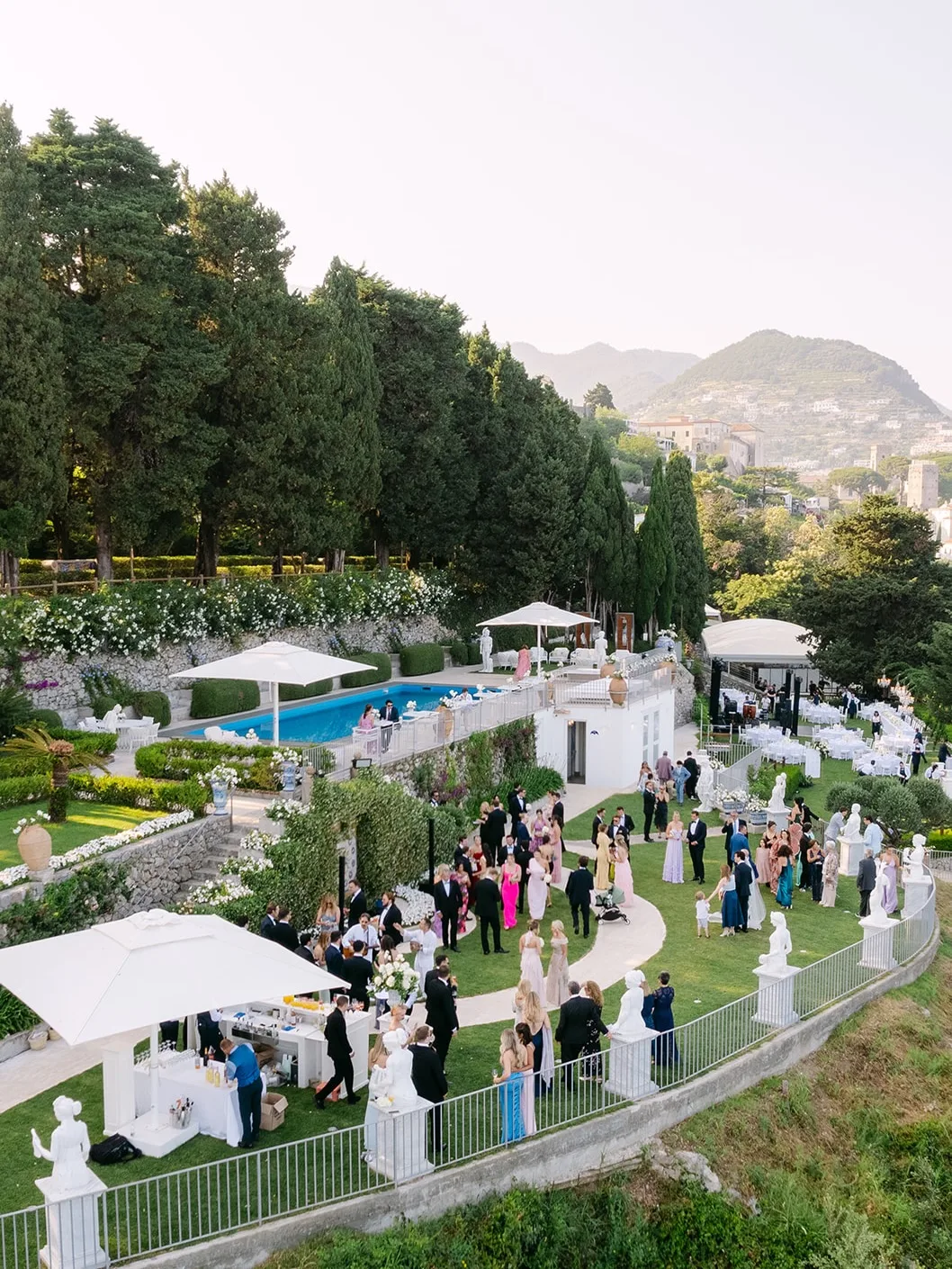
A wedding venue website has two jobs: help a couple imagine the day, then make the practical decision feel possible. When either half is missing, beautiful traffic often becomes silent browsing rather than a serious enquiry.
Your approach to venue websites works best as part of a broader marketing strategy. To connect this with the next step in a couple’s decision, explore How Couples Search for Wedding Venues—and How to Be Found Earlier.
The outcome
The ideal website makes the right couple think: this feels like us, it can host what we need, and contacting the venue is the obvious next step.
Lead with the experience, then remove uncertainty
The first screen should establish the setting and level of the property without burying the visitor in adjectives. From there, the website needs to answer the questions that determine whether the venue belongs on the shortlist.
- —Where the venue is and how guests reach it
- —Which celebrations and guest counts it can host
- —Whether accommodation is available
- —How ceremony, dinner, and weather alternatives work
Organise the property the way couples explore it
Couples do not think in website navigation labels. They think in moments and spaces: where the ceremony happens, where dinner feels most atmospheric, where guests stay, and what happens if it rains.
Dedicated pages for spaces, accommodation, celebrations, and destination context allow the property to tell a richer story while also creating valuable search entry points.
Use qualification to improve—not suppress—enquiries
A thoughtful form can collect wedding date, guest count, origin, event type, and investment expectations without feeling transactional. The purpose is to begin a more useful conversation and reduce unnecessary back-and-forth.
Qualification should be proportionate to the property. Ask only for information the team will genuinely use in the first response.
Design the mobile journey first
Many couples will discover the venue on a phone, perhaps after seeing it on Instagram or in a search result. Images need to load quickly, key facts must remain readable, and the enquiry action should never be difficult to find.
Luxury is expressed through restraint, clarity, and confidence—not oversized files or complicated transitions.
Want to apply this to your business?
We’ll look at your market, current visibility, ideal weddings, and the channels most likely to create a stronger enquiry pipeline.
Book a consultationFrom the journal
Related insights
Venue Marketing
How Couples Search for Wedding Venues—and How to Be Found Earlier
Understand the search journey that shapes a venue shortlist and how to build visibility before couples have already made their decision.
Read article →Client Psychology
The Psychology of Luxury Wedding Clients: What High-Net-Worth Couples Really Want
Understanding the mindset of affluent couples is essential for wedding planners who want to position themselves as the premier choice. Here's what matters most to luxury clients.
Read article →Photographer SEO
SEO for Destination Wedding Photographers: Build Visibility Where You Want to Work
Use destination pages, portfolio stories, and search intent to attract more enquiries from the markets you want in your future portfolio.
Read article →Photographer Advertising
Google Ads for Wedding Photographers: When Paid Search Makes Sense
Learn when paid search can support a photography business—and why destination intent, landing pages, and lead quality matter more than clicks.
Read article →